
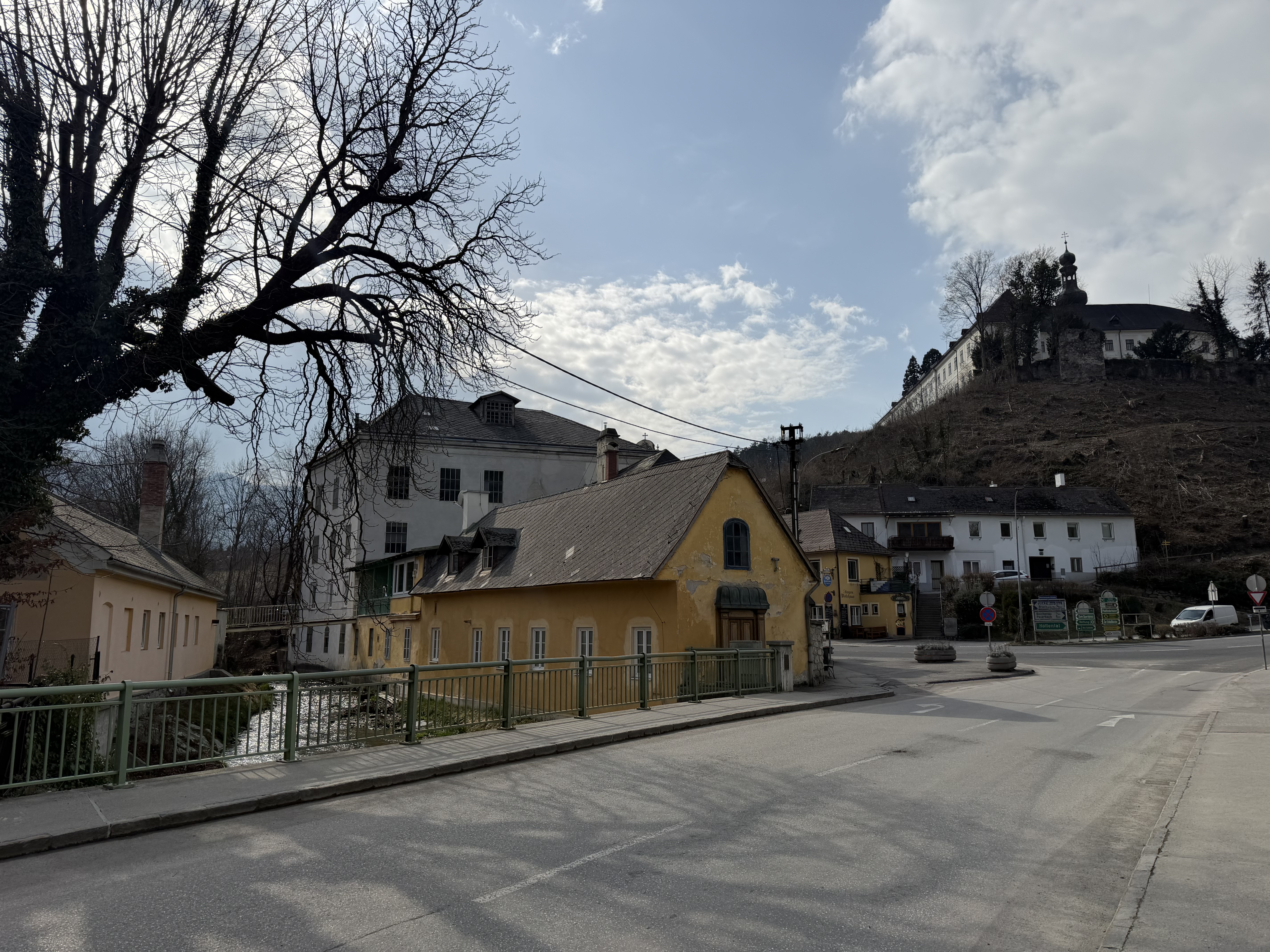
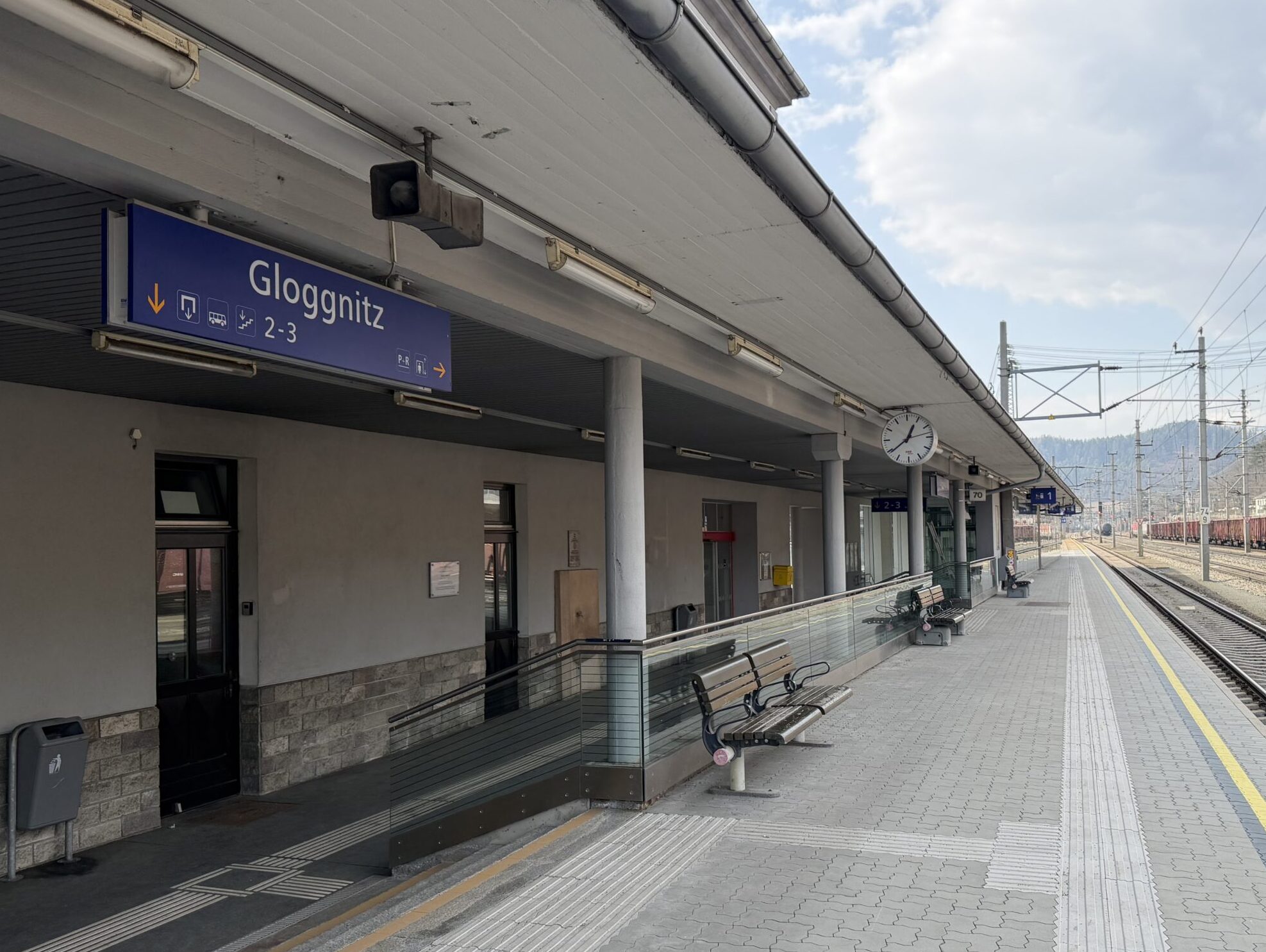
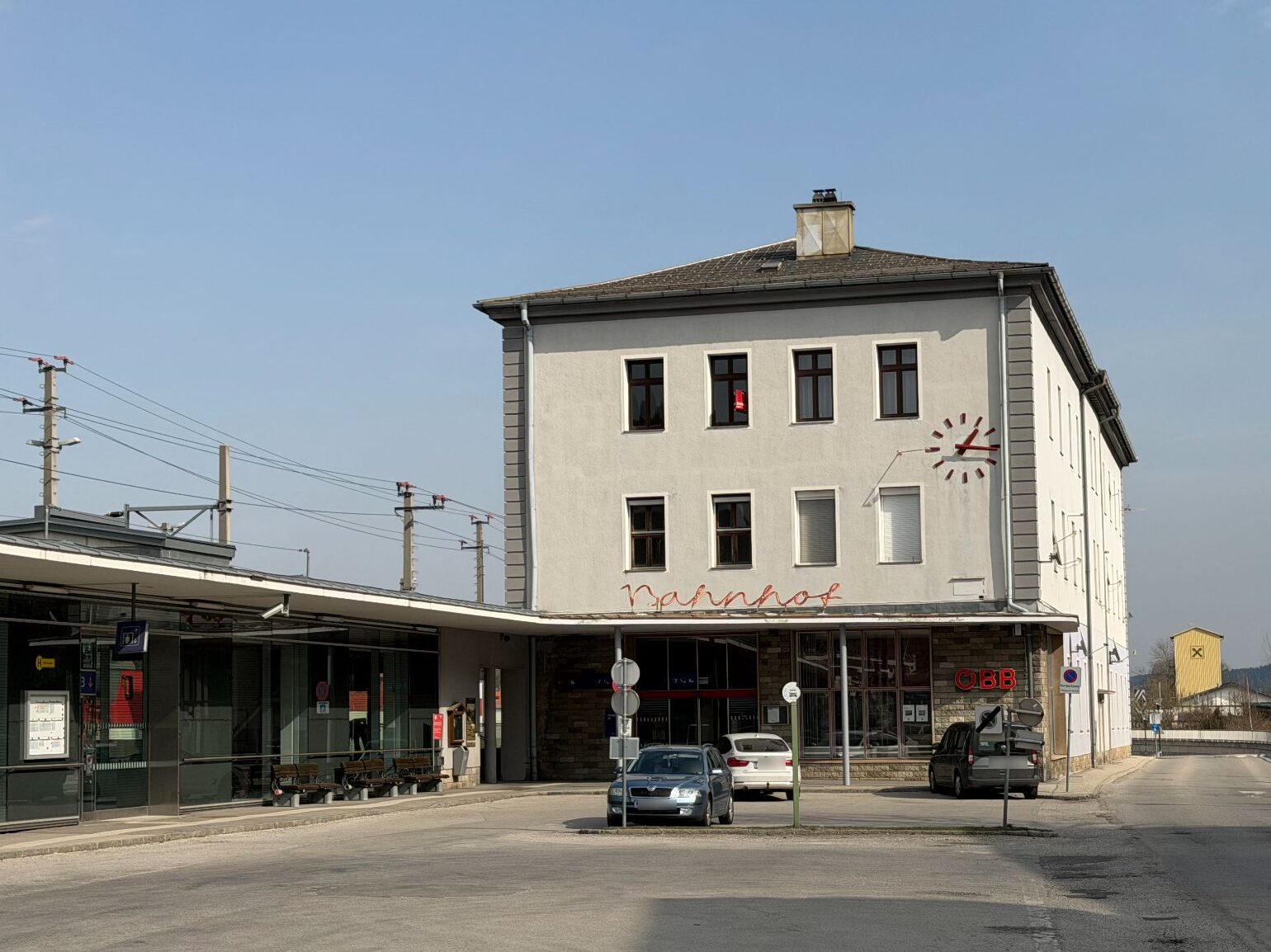
From 1920 to 1926, Ludwig Wittgenstein worked as a primary school teacher in Lower Austria, including in the villages of Trattenbach and Otterthal. His journeys to these remote places took him via the railway station at Gloggnitz. In 1926, Gloggnitz was the site of the court hearing in which Wittgenstein had to answer charges of having mistreated a pupil (the so-called Haidbauer incident). Although the trial ended in his acquittal, the episode marked a decisive turning point in his life and led him to abandon his career as a primary school teacher. He subsequently devoted himself, together with the architect Paul Engelmann, to the construction of the Palais Stonborough – today known as the Haus Wittgenstein – in Vienna’s third district.
Sources:
- Monk, R. (1991). Ludwig Wittgenstein: The Duty of Genius. Vintage.
- Wittgenstein, L. (2013). Gesamtbriefwechsel / Complete Correspondence (2nd release). Innsbrucker Electronic Edition. InteLex.
